Blog
The Art of Antique Rugs
Local Craftsmanship and Antique Rugs
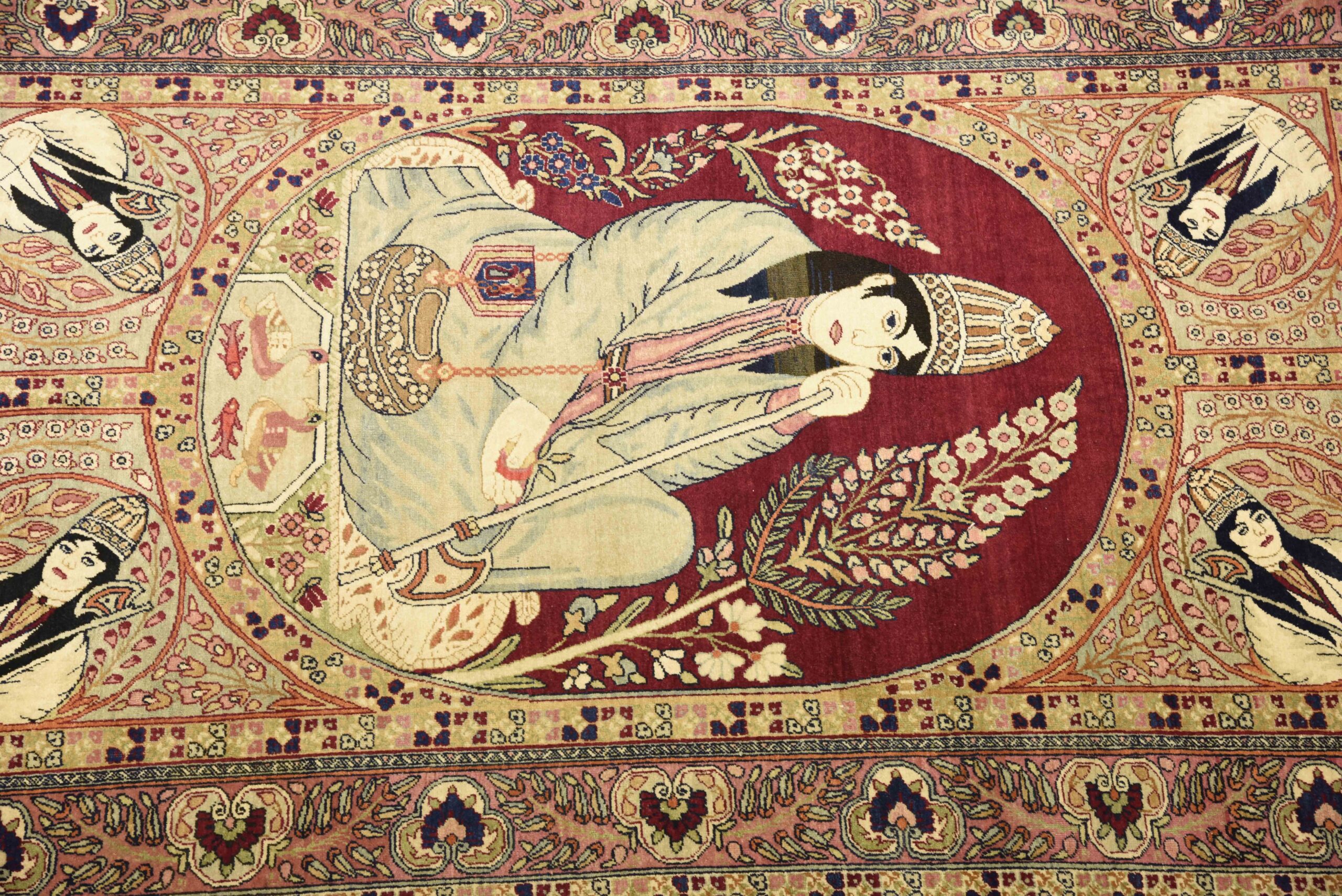
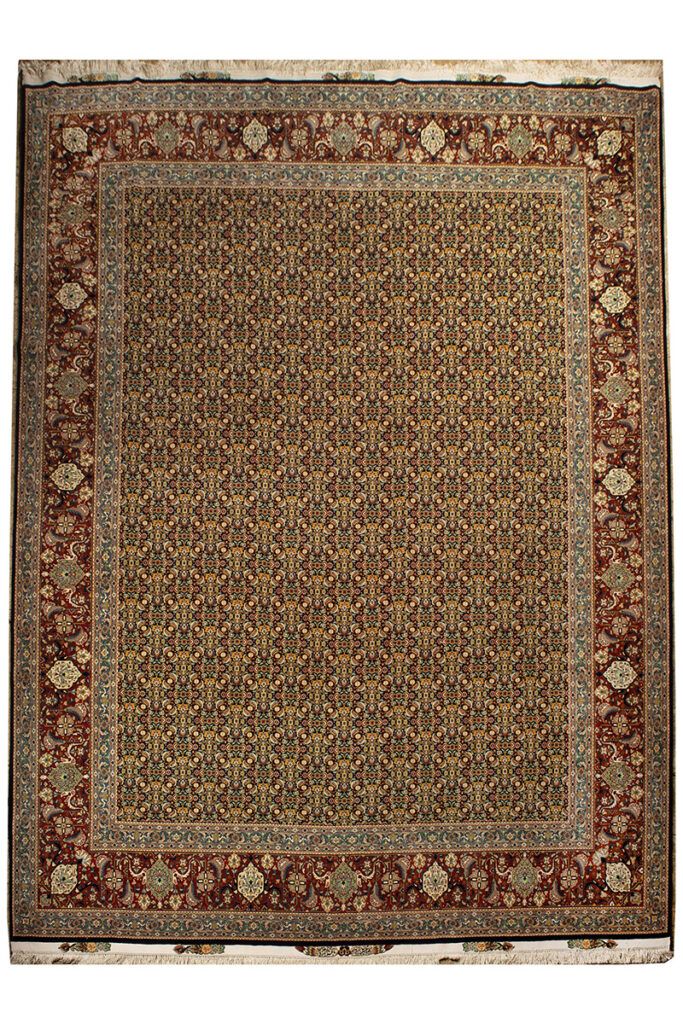
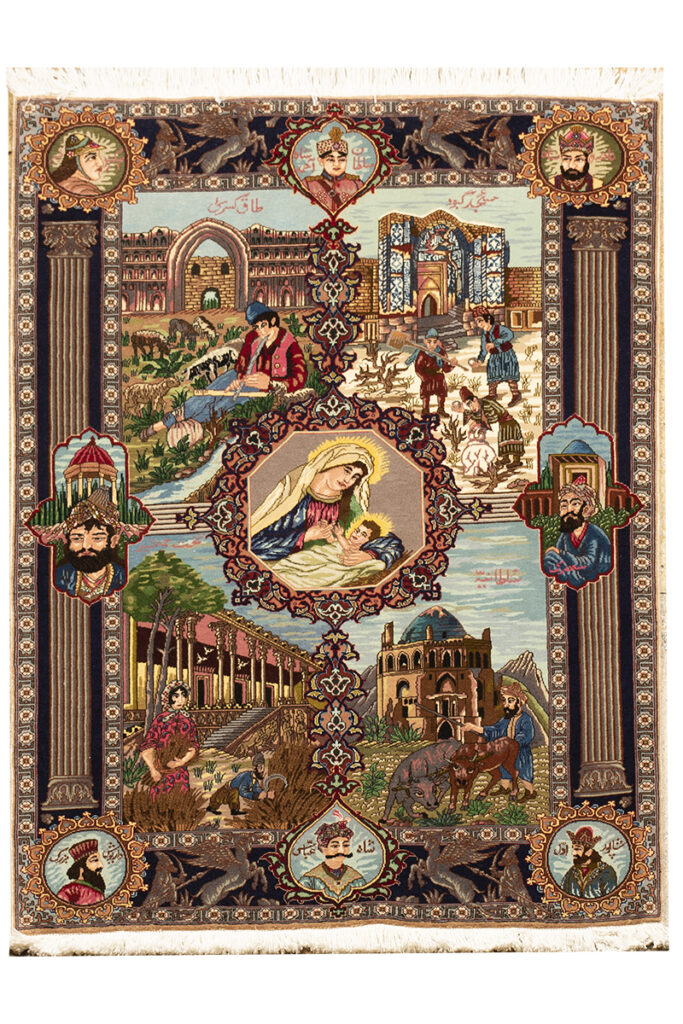
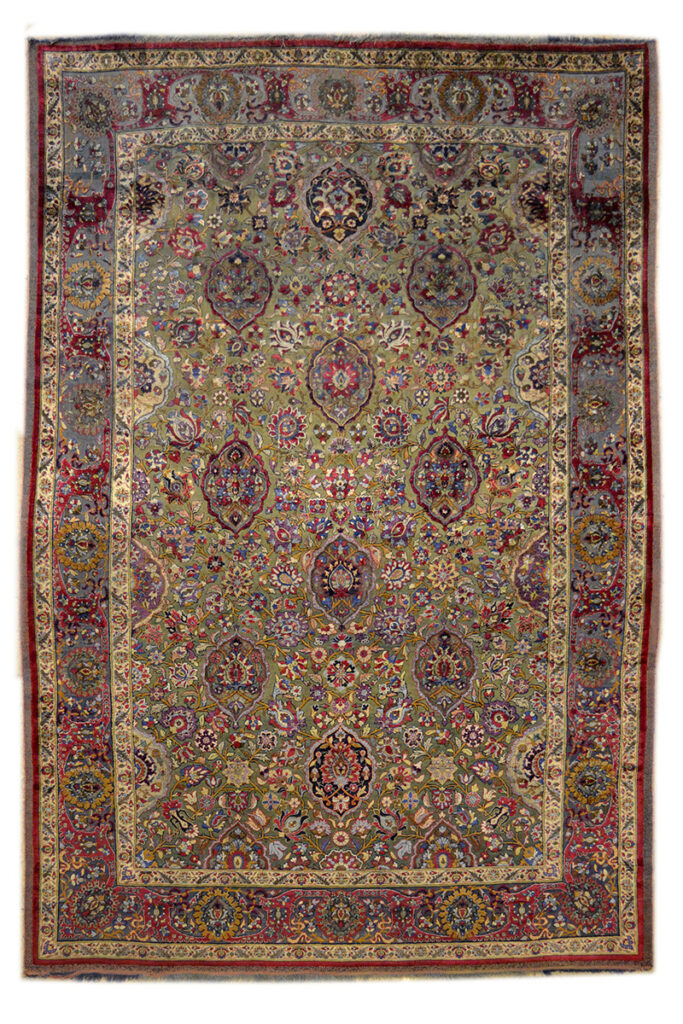
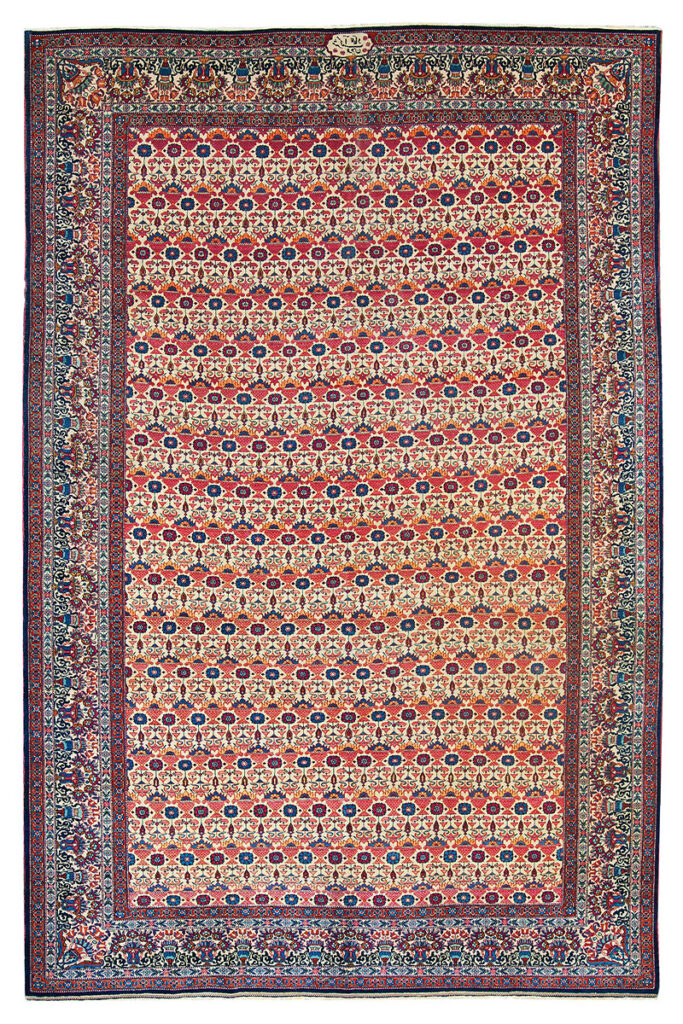
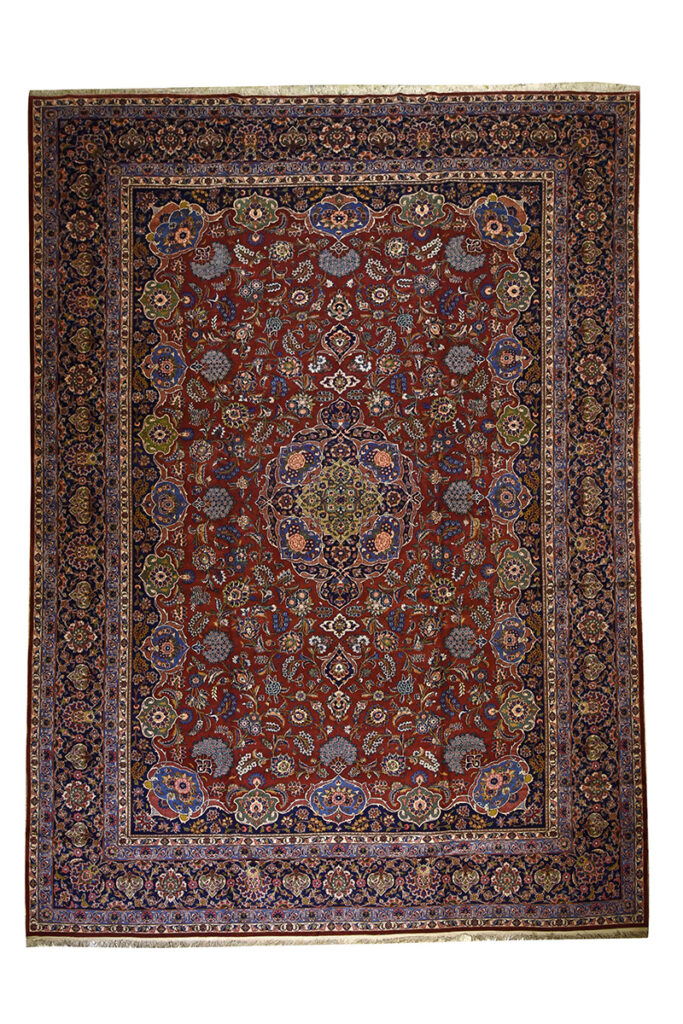
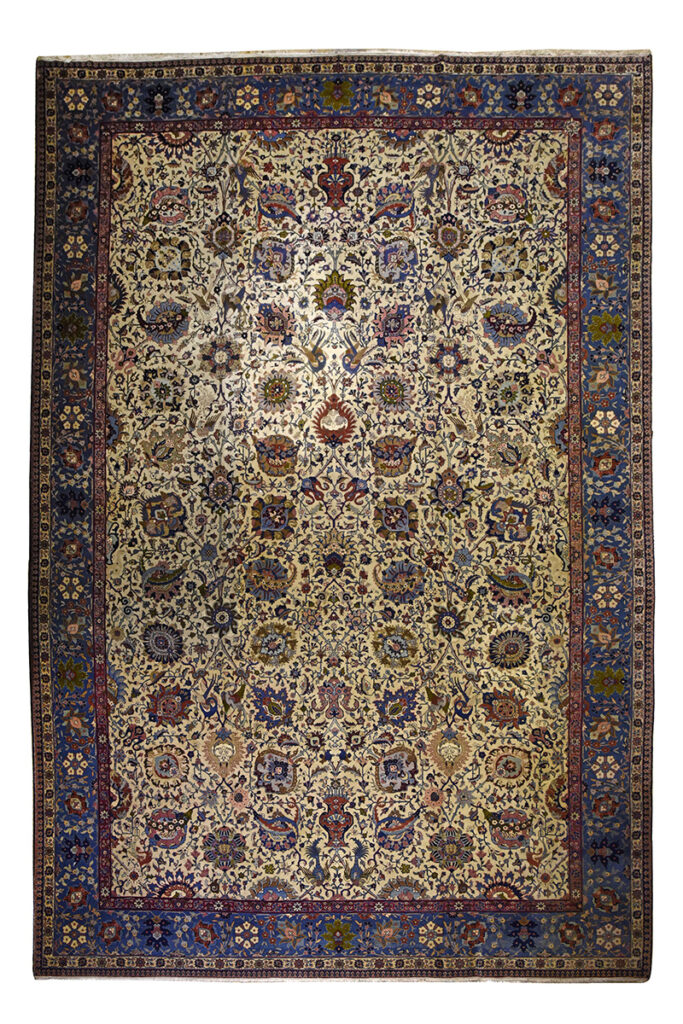
Beautiful handmade Persian rugs, steeped in history and culture, attract collectors and enthusiasts. The antique rug is timeless investments that elevate spaces. These unique area rugs tell stories of cultural heritage, craftsmanship, and history. Additionally, each piece that adorns our floors is not merely a decoration; they are remnants of an exquisite artistry passed down through generations. Antique rugs not only enhance spaces but also serve as timeless investments with enduring appeal.
Defining Antique Rug
An antique rug is typically defined as a handmade antique rug that is at least 100 years old. Meanwhile, semi-antique rugs range from 50 to 99 years old, distinguishing them from their older counterparts. The age criterion is crucial for determining the rug's historical significance and market value. Rarity, design, and craftsmanship also contribute significantly to the value of these heirlooms, making them coveted items. The distinction between these categories shapes the landscape of antique rug collecting.
Historical Significance of Persian Rug
Handmade Persian rugs have a rich historical narrative that showcases an extensive tapestry of cultural elegance. These carpets, recognized for their artistry, date back millennia and have been documented throughout history. Notably, ancient Greek historian Xenophon mentions in his writings that Iranians used carpets for comfort beneath their beds, indicating their importance in daily life. This context highlights the artistry and significance of Persian rugs that endure to this day, showcasing unique patterns and craftsmanship.
Artistic Techniques in Persian Carpet Making
The artistry behind handmade carpet making reflects both the rich tradition of weaving and the cultural backgrounds of the weavers. Each handmade Persian rug features intricate designs that can symbolize stories, traditions, and geographical origins. Moreover, traditional Persian carpets utilize colors derived from organic dyes, enhancing their aesthetic appeal and historical significance. The weaving techniques vary across regions, resulting in unique patterns that capture the heritage of each community involved in rug production.
Types of Antique Rug
Various categories of antique rugs exist, each defined by their unique characteristics and styles. Antique Persian rugs, for instance, exhibit intricate designs and rich colors, often displaying flora and fauna motifs. Other types include Turkish and Oriental rugs, which showcase distinct patterns and weaves. Moreover, handmade rugs also span multiple cultures, contributing to a rich tapestry of artistic expression throughout history. Each type offers a glimpse into the artistry and tradition of its place of origin.
Features of Antique Rug
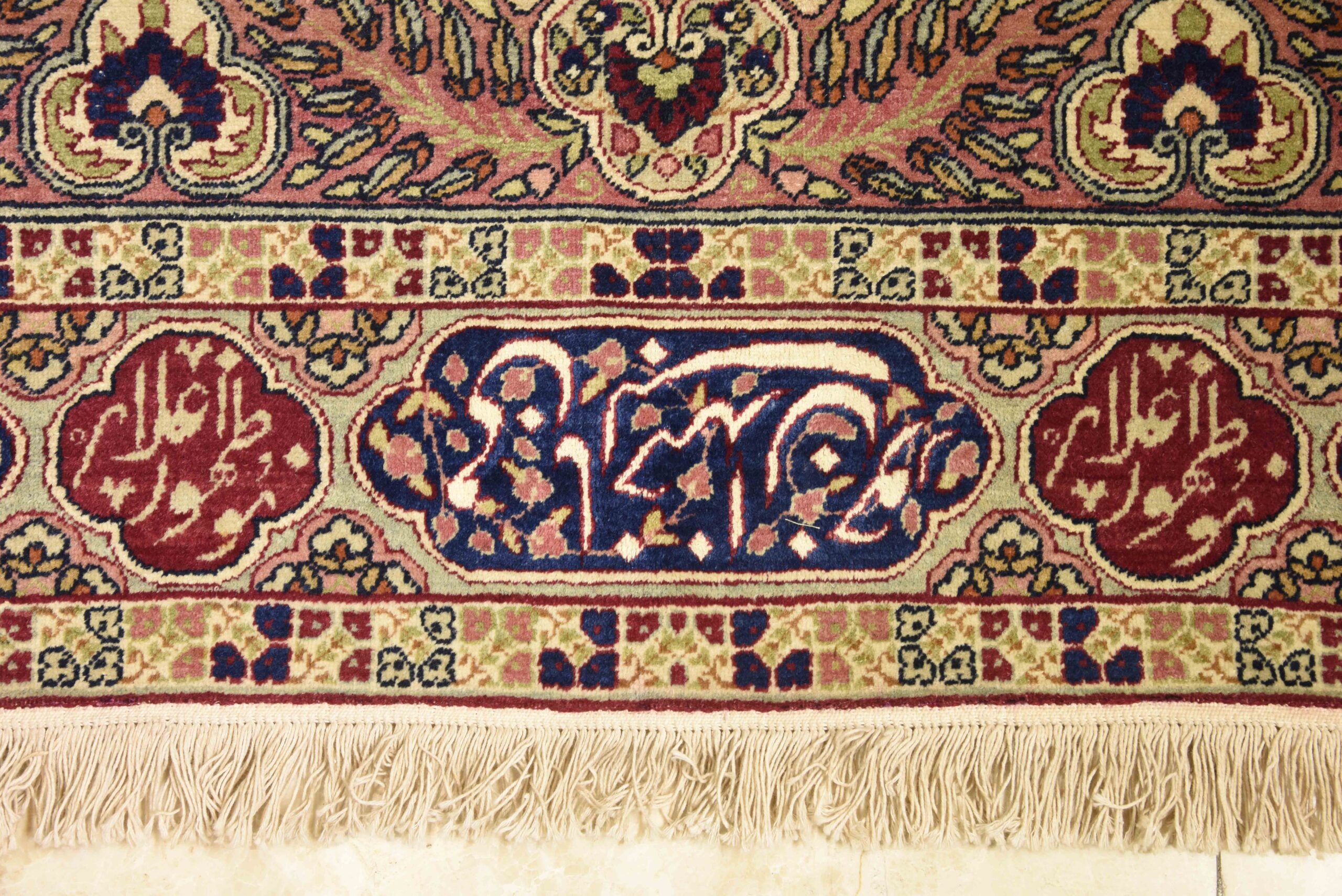
Some striking features characterize antique rugs and enhance their allure. These pieces often utilize organic dyes, adding depth and richness to their colors. The craftsmanship shines through in the knot density and intricacies of designs present in each handmade carpet. Furthermore, the materials used, which typically include wool and silk, ensure durability and luxurious texture. Over time, these rugs develop a patina that adds to their charm, illustrating the beauty of aging gracefully.
Determining Value
To determine the value of an antique rug, various factors come into play, such as age, condition, material, rarity, and provenance. Consequently, each of these components plays a pivotal role in appraising a floor rug. The rug's history might highlight specific cultural importance, while physical characteristics like wear and originality can greatly impact desirability. Finally, an expert's appraisal often helps to validate these aspects when assessing potential purchases of handmade antique rugs.
Collecting and Valuing Handmade Persian Rugs
Collecting antique Persian rugs requires knowledge and appreciation of their historical value and artistry. As each piece is unique and comes with its narrative, collectors often seek to understand the factors influencing a rug's worth. Elements such as condition, rarity, knot density, and documentation significantly contribute to its market value. Consequently, engaged collectors can accurately appreciate these handmade antique rugs as valuable pieces of history that blend artistic expression with investment potential.
Understanding Materials
When considering materials used in antique rugs, knowledge is crucial for a confident purchase. Well-crafted rugs commonly utilize materials such as wool, silk, and cotton. In some instances, handmade medallion rugs are designed specifically for outdoor use, showcasing durability and stain-resistant properties. Additionally, understanding how the dyes are derived can also impact the rug's authenticity and quality. Overall, a careful examination of materials contributes to a more informed buying decision, ensuring the investment is worthwhile.
Importance of Condition
Condition represents a significant aspect affecting both value and usability in antique rugs. Ultimately, prospective buyers must assess any wear, repairs, or damages before committing to a purchase. A well-preserved handmade carpet will typically command a higher price compared to one showing signs of considerable wear. Additionally, understanding the extent of restoration or damage can help buyers determine their comfort level in acquiring the piece. Thus, evaluating condition plays a vital role in the buying process.
Altering Antique Rug
Altering the size of an antique rug can be feasible but also delicate, given the rug's age. Therefore, it is essential to consult a professional before considering size modifications to preserve the rug's integrity. Changes may unintentionally affect the historical value and authentic appeal of a handmade rug. Hence, buyers should weigh the pros and cons while seeking expert advice during the resizing process. Ultimately, professional guidance ensures longevity is preserved in these treasured items.
The Timeless Appeal of Persian Rugs
The enduring appeal of handmade Persian rugs can be attributed to their aesthetic and historical values. These rugs evoke a sense of connection to cultures and crafts of bygone eras, captivating those who admire their intricate designs. Furthermore, their ability to enhance interiors with elegance and warmth makes them a sought-after element in modern decor. Each handmade rug is a testament to the artistry of its creator, and owning one signifies a connection to cultural heritage significant to our homes.
Seeing the Rug in Person
Seeing an antique rug in person before purchasing is crucial for several reasons. Firstly, photographs can fail to capture the unique qualities and colors that define these exquisite pieces. Secondly, experiencing the texture and weight of a floor rug gives insight into its craftsmanship. Lastly, being able to analyze the rug closely allows buyers to identify potential wear or damages. Thus, in-person assessments contribute significantly to ensuring a positive buying experience.
Questions to Ask the Seller
When considering purchasing an antique rug, several pertinent questions must be directed at the seller. Inquire about the rug's origin, age, and cleaning methods to gather critical information about the piece. Understanding the history, material, and prior maintenance can provide insight into the rug's authenticity and condition. Additionally, ask if the seller can provide any provenance or documentation, further enhancing the rug's collectible status. Thus, asking questions enables buyers to feel more assured in their investment.
Investing in Quality Persian Rugs
Investing in handmade Persian rugs involves understanding the nuances that contribute to their value. Recognizing the intricacies of design, materials, and crafting techniques allows potential owners to make informed decisions. Additionally, the appreciation of a well-maintained antique rug can yield long-term returns as they often increase in value over time if preserved properly. Hence, individuals should prioritize finding reputable sources where they can acquire authentic, high-quality rugs that uphold their legacy and artistry.