Blog
Discover the World of Handmade wool Rugs
The Allure and Craftsmanship of Wool Rugs
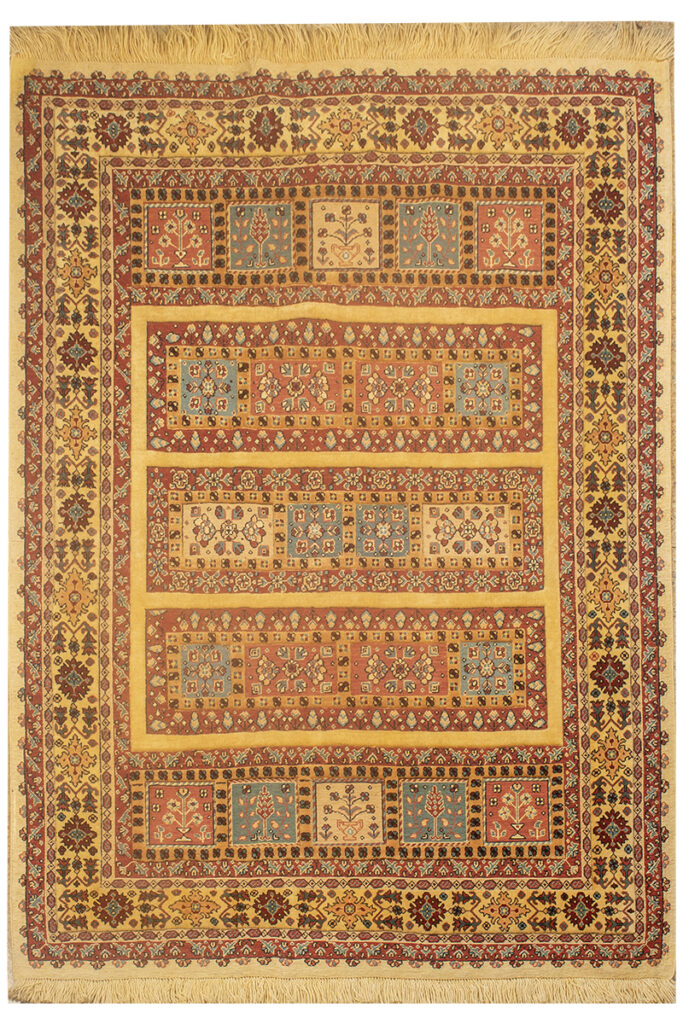
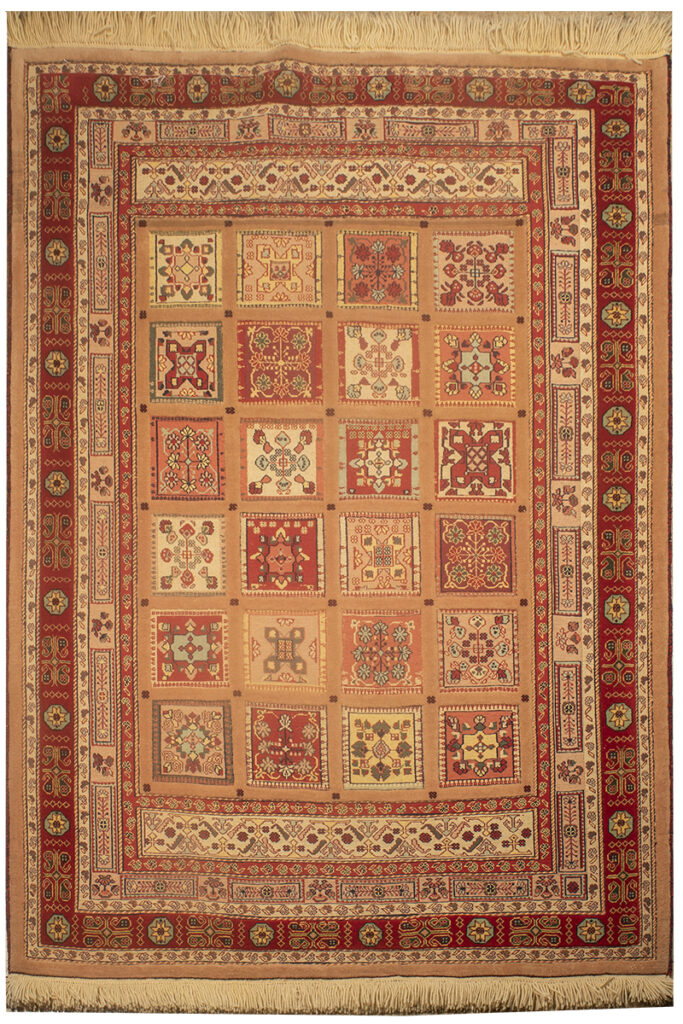
Wool rugs, a staple in many households, are lovingly crafted with locally sourced materials that highlight their beauty and quality. These rugs are both functional and decorative, enhancing the aesthetic of any space. Just as diverse as the regions they come from, wool rugs offer an array of styles, colors, and textures to suit every taste. When investing in a wool rug, you’re choosing a timeless piece that encompasses culture and craftsmanship.
Wool is the most common material used in the production of these exceptional floor coverings, sourced primarily from sheep. At times, materials like goat hair are also included to enhance the richness of texture. The unique attributes of wool provide insulation, softness, and durability, making it a premier choice for handmade rugs globally. Consequently, wool rugs are not just floor coverings; they are artful representations of cultural heritage.
What is a Wool Rug?
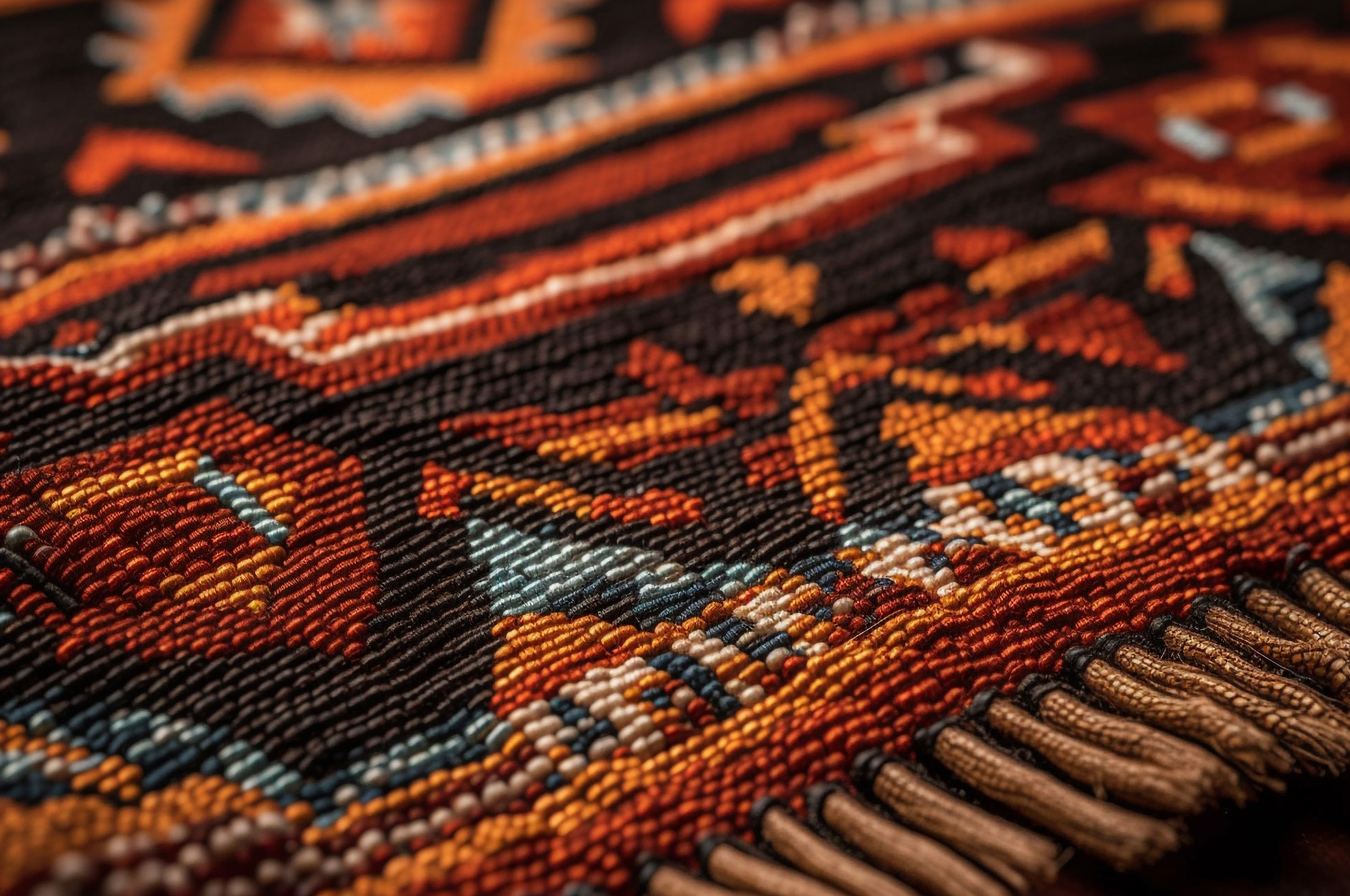
A wool rug is a floor covering made from natural wool fibers, and is characterized by its warmth and softness underfoot. Typically handmade, these rugs come in various styles, colors, and patterns, representing the artistry of the weavers. They are built to withstand heavy foot traffic, making them incredibly durable. Due to their natural origins, wool rugs can be biodegradable and are often considered an eco-friendly flooring option.
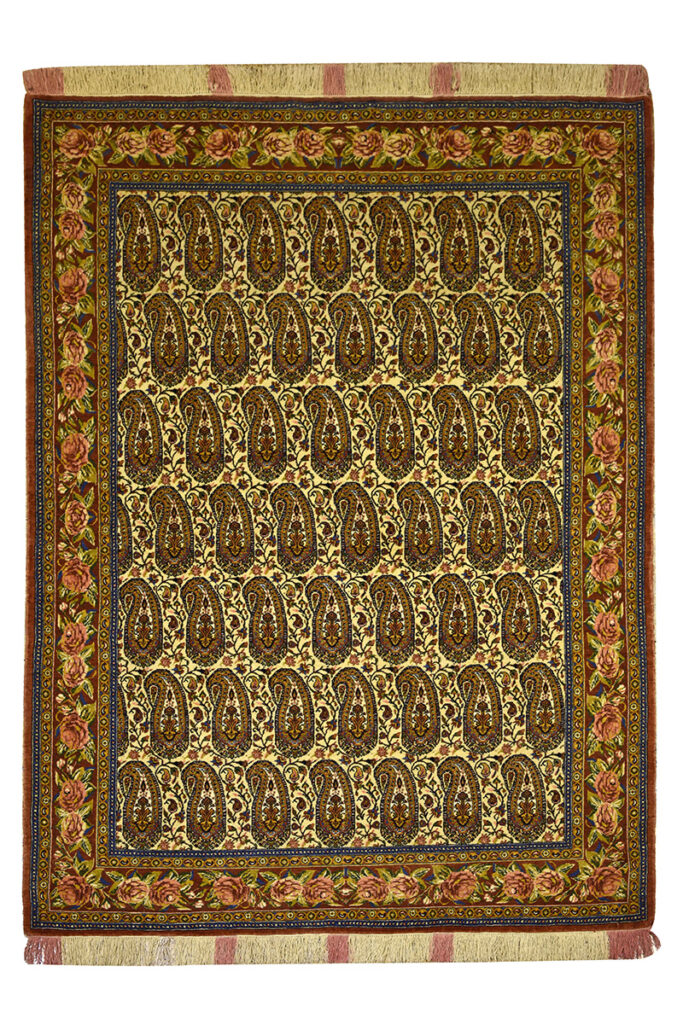
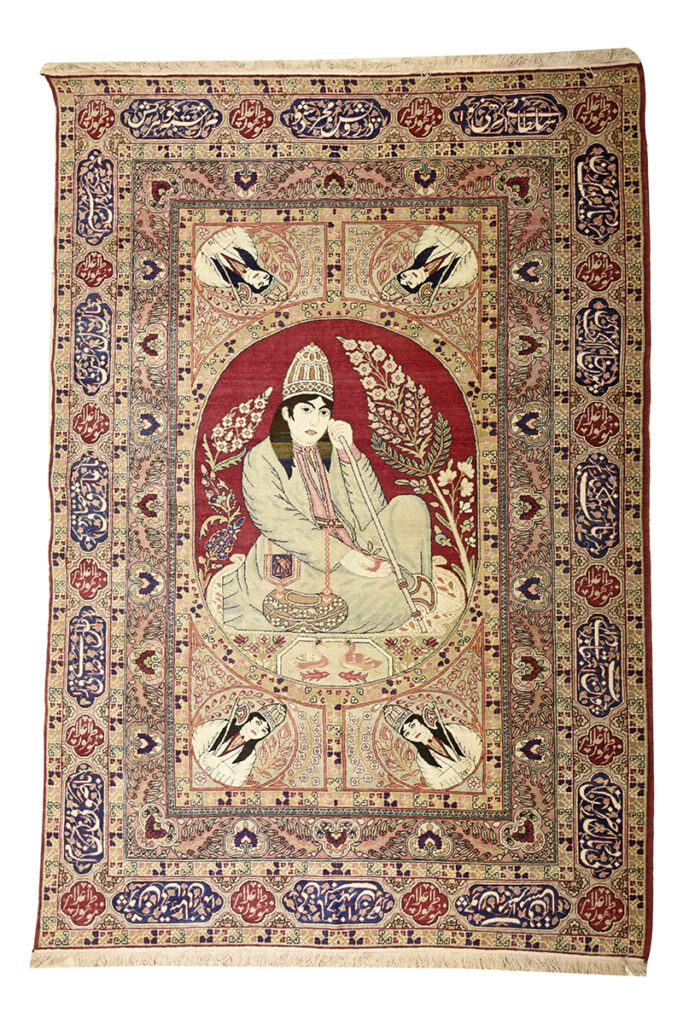
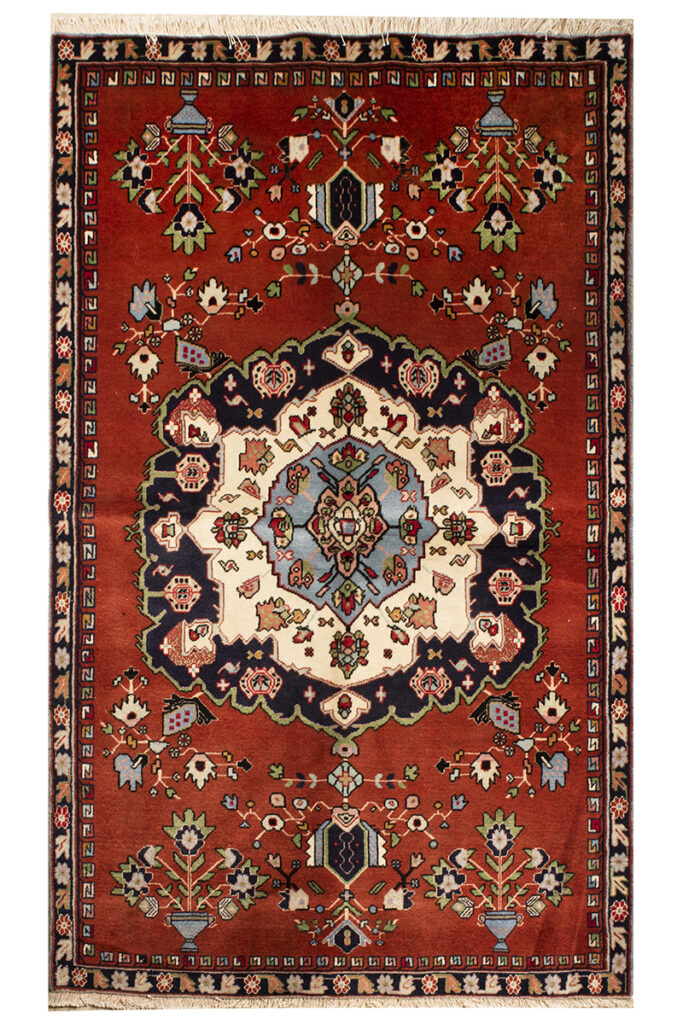
The types of wool rugs available range from simple flatweaves to luxurious pile styles, with hand-knotted options representing the highest level of craftsmanship. Each variety showcases unique designs, often reflecting the cultural traditions from which they emerge. There is a special appeal to handmade Persian rugs, which are known for their intricate patterns and colorful palettes. Each area rug tells a story through its patterns and colors, making it a cherished item in any home.
Durability of Wool Rugs
Yes, wool rugs are known for their durability and can last several decades when properly maintained. The strong and resilient fibers of handmade wool rugs retain their shape and appearance despite regular wear and tear. Moreover, a good-quality wool rug often becomes more beautiful as it ages, enhancing its charm and character. This durability makes wool rugs suitable for high-traffic areas, such as living rooms and hallways.
Furthermore, regular maintenance is essential to prolong the longevity of wool rugs. Vacuuming is advisable to remove dust and dirt, while shaking them out outdoors helps eliminate debris. It is crucial to avoid submerging them in water or using harsh chemicals during cleaning, as these practices can diminish their quality and appearance. Taking care of a floor rug ensures that it remains a cherished part of your home decor.
Types and Features of Wool Rugs
Hand-Knotted Wool Rugs:
These rugs are meticulously crafted with individual knots, making them extremely durable and plush. The intricate designs often include traditional motifs that celebrate the heritage of their makers.
Hand-Tufted Wool Rugs:
Hand-tufted rugs are created by punching strands of wool into a backing material, allowing for a softer texture. They are often more affordable yet maintain a high level of quality.
Balochi Carpets:
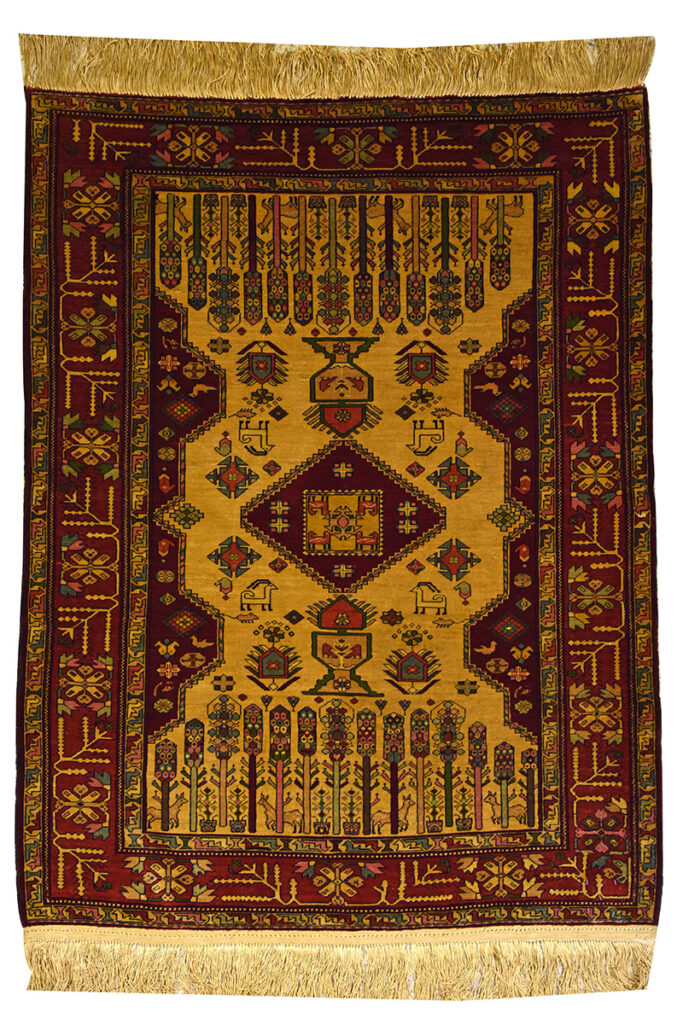
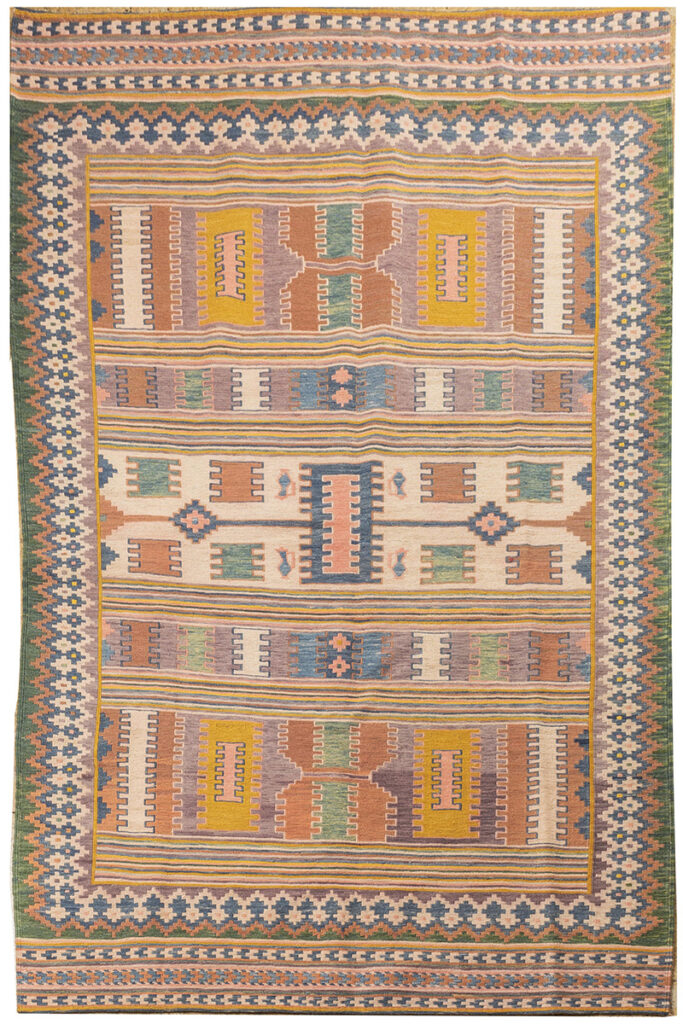
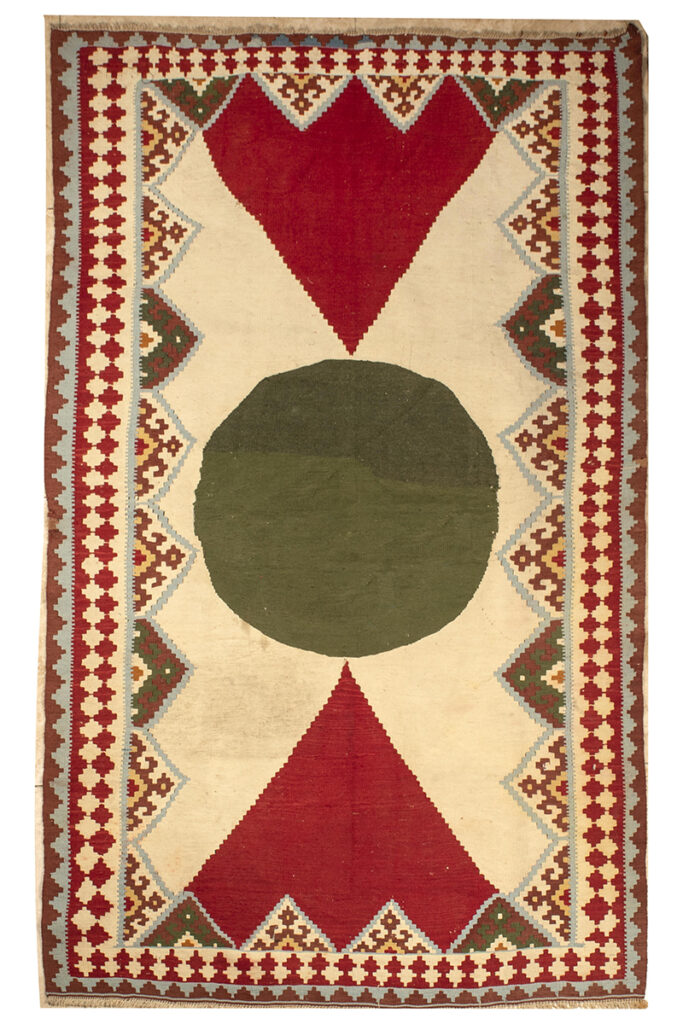
A subcategory of wool rugs, Balochi carpets are woven by nomadic tribes and feature geometric and tribal designs. Their rich colors and symbolism represent the lifestyle and beliefs of the Baloch people.
Traditional Persian Rugs:
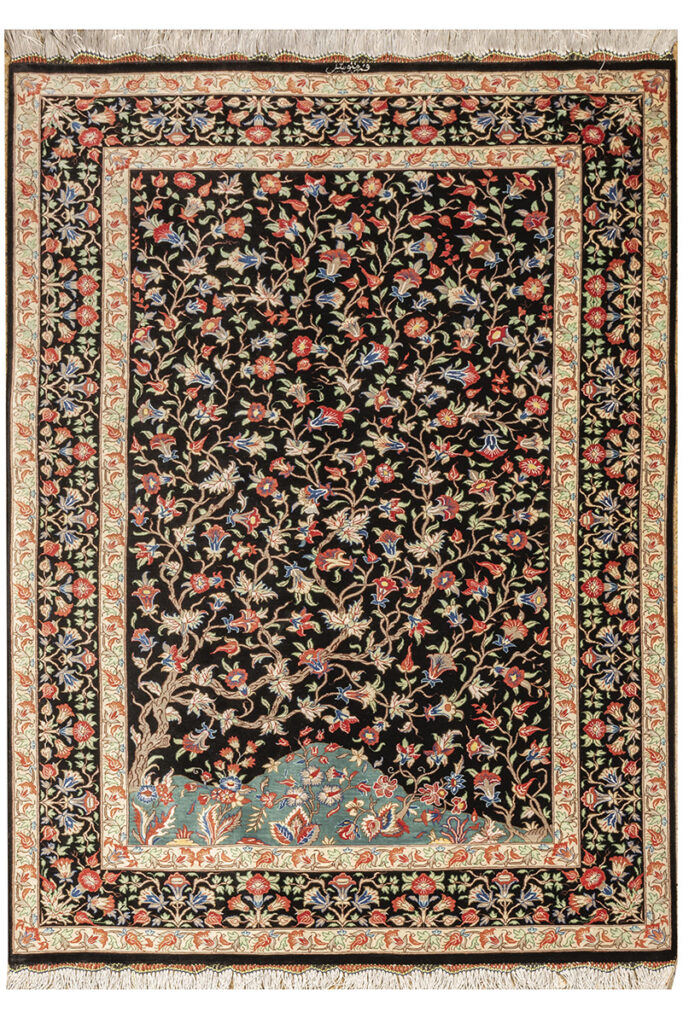
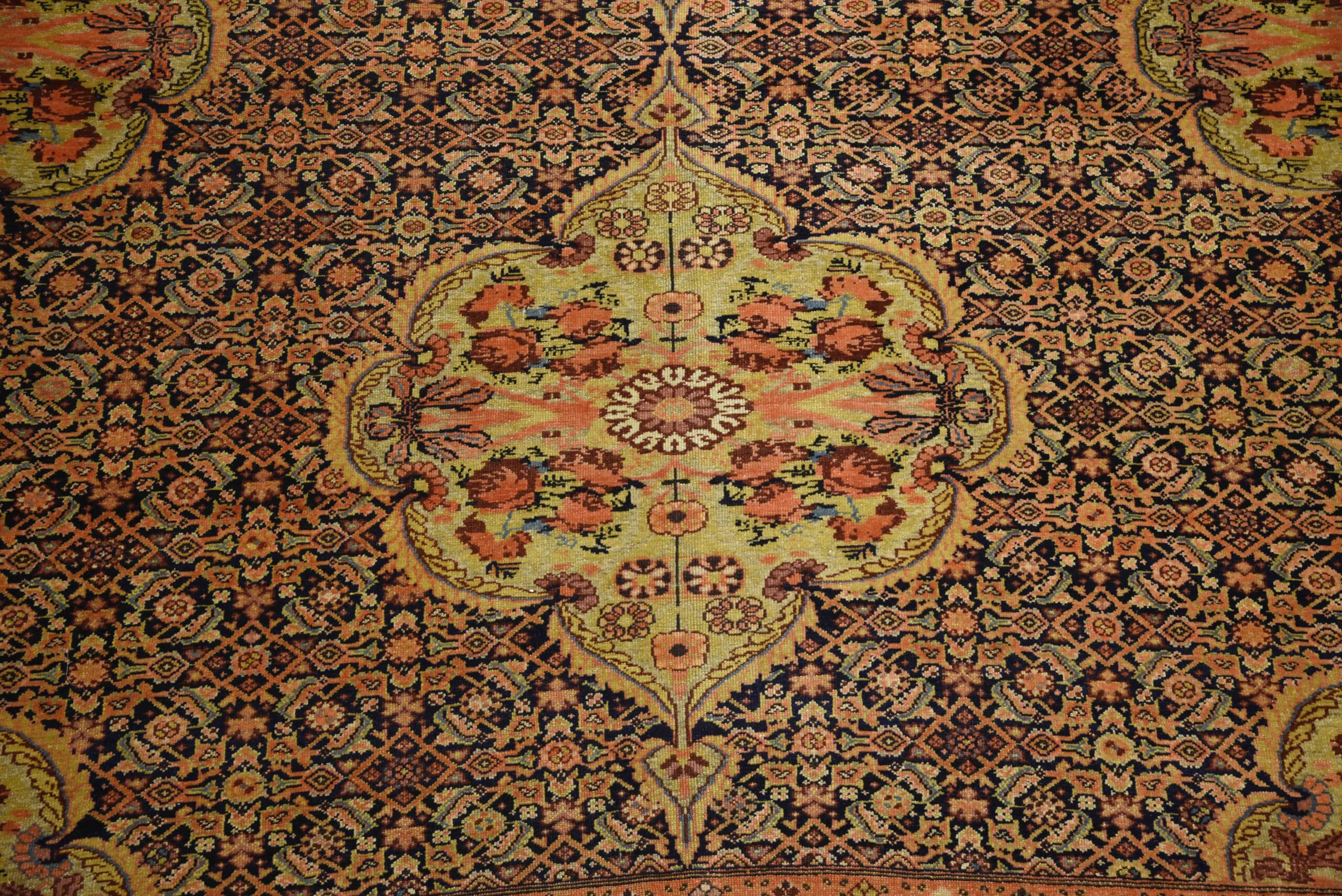
Renowned for their complexity, these rugs often feature elaborate floral patterns that highlight the weaver's skill. Persian rugs are a treasured investment, as they appreciate over time.
Exploring Balochi Rugs
Balochi carpets are a distinct group of rugs uniquely woven by the Baloch tribes residing in the northeastern regions of Iran's Khorasan province and Sistan area. In addition to the Baloch, many other ethnic groups in Khorasan weave carpets that resemble Balochi creations, reflecting their artistry and cultural heritage. This intricate craftsmanship results in rugs that are deeply embedded in the fabric of their communities.
Typically adorned with geometric motifs, Balochi rugs echo the vibrant and colorful life of nomadic tribes. The motifs found in these carpets often represent various aspects of tribal life, beliefs, and nature-inspired elements. The designs are achieved using natural and vegetable dyes, ensuring sustainable practices while maintaining vibrant hues that define Balochi artistry.
The materials used in Balochi rugs typically include high-quality wool or a blend of wool and goat hair, ensuring durability and longevity. The craftsmanship extends to the creation of the warp, which is often composed of cotton to enhance strength and resilience. As a result, Balochi rugs are not only visually appealing but also robust and capable of withstanding the rigors of nomadic life.
These rugs are characterized by their rich colors, predominantly comprising dark red, brown, and blue, interspersed with white accents. Artisans skillfully blend these hues to create rugs that are both striking and intricate. The use of both natural and vegetable dyes further enriches the beauty of Balochi rugs, making them a valuable traditional craft representative of their cultural heritage.
In summary, Balochi rugs showcase the skill, resourcefulness, and creative expression of the tribes that produce them. The rugs serve practical purposes but also stand as a testament to the heritage and traditions carried forward from generation to generation, making them cherished pieces in any decor.
Wool rugs provide natural insulation that helps to regulate temperature, making them perfect for any season. Additionally, they are naturally stain-resistant due to the lanolin present in wool. In summary, wool rugs are not mere decorative items; they are functional pieces that elevate both comfort and style in your home.
Durability of Wool Rugs
The strong and resilient fibers of handmade wool rugs retain their shape and appearance despite regular wear and tear. Moreover, a good-quality wool rug often becomes more beautiful as it ages, enhancing its charm and character. This durability makes wool rugs suitable for high-traffic areas, such as living rooms and hallways.
Furthermore, regular maintenance is essential to prolong the longevity of wool rugs. Vacuuming is advisable to remove dust and dirt, while shaking them out outdoors helps eliminate debris. It is crucial to avoid submerging them in water or using harsh chemicals during cleaning, as these practices can diminish their quality and appearance. Taking care of a floor rug ensures that it remains a cherished part of your home decor.
Maintenance Needs for Wool Rugs
In conclusion, wool rugs do require some specific maintenance to keep them looking exquisite over time. Regular vacuuming, typically once or twice a month, helps maintain a clean appearance. Handmade rugs need careful handling; avoiding excessive moisture is one way to preserve them. It is best to use non-invasive cleaning methods, ensuring the vibrant colors and intricate designs remain intact. Excessive water exposure can lead to mold and fiber damage.
Additionally, gently spot-cleaning spills can prevent long-term staining, ensuring your handmade carpet stays vibrant. Employing a simple mixture of vinegar and water can aid in stain removal, proving a practical method that is safe for wool fibers. By utilizing proper care techniques, you can enjoy your handmade wool rug for many years to come.
Flame Resistance of Wool Rugs
Are wool rugs flame-resistant? Yes, wool rugs are naturally flame-resistant because of the chemical structure of wool fibers. They tend to self-extinguish when exposed to flames, making them safer than synthetic rugs, which lack this feature. This inherent flame resistance is a vital safety component, making wool rugs suitable for use in homes with children or near fireplaces.
Furthermore, this characteristic of wool rugs contributes to better indoor air quality since they do not release toxic fumes when exposed to flames. Incorporating such a safe and reliable floor covering adds both comfort and security to your living spaces. The natural properties of wool indeed enhance its value significantly beyond mere aesthetics.
Shedding Issues with Wool Rugs
Do wool rugs shed? Yes, it is common for newly bought wool rugs to shed. Particularly, handmade rugs made from blended materials shed more than those that are entirely wool. New wool rugs may release some excess fibers during the first few months of use. This shedding typically decreases significantly as the rug settles into your home environment.
Moreover, rugs crafted from shorter fibers, or low-quality materials, might continue shedding longer than those made from high-grade wool. Hand-knotted rugs, on the whole, experience less shedding than their machine-tufted counterparts, positing these as a more favorable investment for those concerned about maintenance.
Stain Resistance of Wool Rugs
Are wool rugs easy to stain? While wool has natural stain-resistant properties due to lanolin, they can still become stained when exposed to contaminants for prolonged periods. Nevertheless, wool rugs generally resist staining, making them an excellent choice for busy households. Using a wool-safe cleaner can aid in stain removal without compromising the integrity of the fibers.
Additionally, regular cleaning and quick action upon spills will help maintain the beauty of your area rug. A simple blotting method with clean, absorbent cloths can help lift stains effectively, preserving the quality of your handmade carpet despite accidents.
Natural Humidification by Wool Rugs
Can wool rugs act as natural humidifiers? Yes, wool rugs can indeed function as natural humidifiers. They absorb excess moisture from the air when humidity levels are high and then release moisture when the air becomes dry. This ability contributes to humidity regulation, helping to maintain a stable indoor environment, which is particularly beneficial in regions experiencing extreme weather fluctuations.
Moreover, the moisture management properties of wool rugs can enhance overall comfort in your living spaces. The natural fibers of handmade rugs are capable of providing warmth in winter and a cooling effect during warmer months, ensuring year-round comfort for the household.
Wool Rugs for Allergy Sufferers
Are wool rugs suitable for allergy sufferers? Indeed, wool rugs can be an excellent choice for those with allergies. The wool fibers help repel dust mites and mold, thus promoting better air quality within the home. The high moisture content of wool fiber significantly reduces static electricity, which limits the accumulation of fine dust and dirt particles, alleviating allergy symptoms effectively.
Furthermore, the natural structure of wool prevents the release of harmful allergens into the air, making it an appealing choice for families with allergic individuals. Opting for a quality wool rug allows you to enjoy comfort while also ensuring a healthy indoor environment free from common irritants.
Encouragement to Embrace Wool Rugs
Wool rugs encapsulate the beauty, durability, and stylish qualities you want in any home. Whether you choose a handmade Persian rug, a versatile area rug, or a traditional Balochi piece, wool rugs offer warmth and a rich history that enhances your living environment. By investing in these exquisite pieces, you celebrate craftsmanship while introducing an elegant touch to your home decor.
Opting for a handmade rug allows you to enjoy the economic, artistic, and environmental benefits of wool products. With their natural resilience, flame safety, and hypoallergenic properties, wool rugs present a smart choice for every household. As you contemplate your next flooring choice, remember that wool rugs are not simply floor coverings; they are timeless works of art that connect us to culture and tradition.
Dubai showroom
Of course, we’d be remiss not to include the veritable cadre of lorem ipsum knock offs featuring:
Bacon Ipsum – Served all day. “Bacon ipsum dolor amet chicken turducken spare ribs.”
Hipster Ipsum – In case you’re in need of a “shoreditch direct trade four dollar toast copper mug.”
Corporate Ipsum – “Leveraging agile frameworks to provide a robust synopsis” from eight to five.
Legal Ipsum – Fully unlicensed legalese for those times you don’t want to pay $400/hr.